


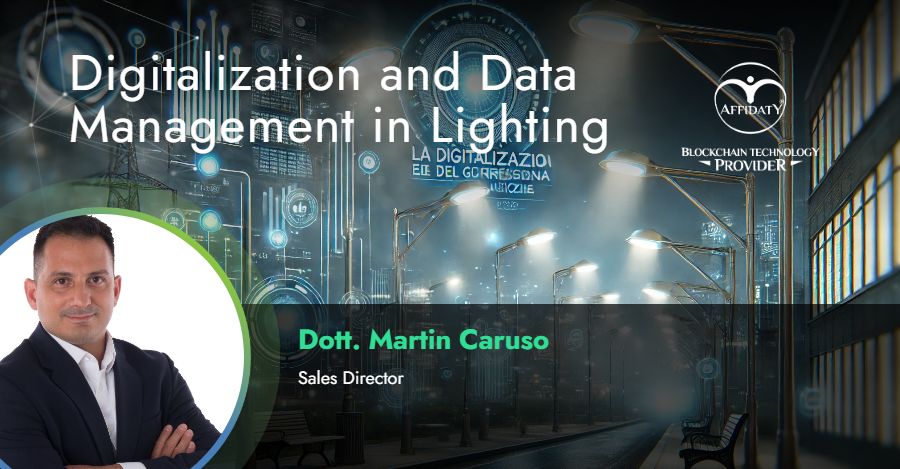
Digital innovation and sustainability are two themes that are becoming increasingly important for both companies and society as a whole. In particular, digital innovation can be used to create sustainable solutions and reduce the environmental impact of human activities.
One of the key innovations contributing to sustainability is the Internet of Things (IoT), which connects devices to the Internet. Through IoT, it is possible to develop energy monitoring and control solutions that reduce waste and optimize resource usage.
Digitalization in LED lighting is revolutionizing how lighting systems are designed and used. Thanks to LED technology and IoT, it is possible to create personalized and highly efficient lighting solutions that can be controlled through digital devices such as smartphones, tablets, or computers.
In recent years, we have witnessed accelerated technological advancements in lighting.
Light is an essential factor for regulating the human body’s circadian cycle, which governs sleep and wake rhythms. Tunable white lighting technology enables the creation of personalized lighting solutions that adapt to circadian needs by adjusting the color temperature of light based on the time of day. For instance, it is possible to set warmer light for a cozy restaurant atmosphere or cooler light for a more efficient work environment in an office.
This transformation allows users to manage and control their lighting systems through mobile applications, enabling them to schedule lights on and off to save energy and reduce costs. These systems can also be integrated with motion sensors, photocells, and other automation devices for even more efficient management.
For example, Visible Light Communication (VLC) technology is an innovation in this field that uses visible light as a means of data transmission. With this technology, LED lamps can transmit information through light pulses imperceptible to the human eye but detectable by special sensors.
This technology can be employed in various environments such as stores, museums, offices, or public spaces to provide users with information via their mobile devices. For instance, a store can use VLC to offer product details or promote discounts to customers through their mobile apps.
VLC offers several advantages over traditional communication technologies such as Wi-Fi or Bluetooth. Data transmission through light does not require the installation of additional infrastructures like antennas or routers and does not interfere with other wireless technologies in the environment.
In summary, VLC represents an innovation that leverages visible light as a data transmission medium. This technology offers numerous benefits in terms of energy efficiency, security, and flexibility and can be used in various contexts to enhance user experience and building management.
We have discussed data communication and transmission, a topic that is increasingly relevant in this field. Blockchain technology can also help in this application, as it relies on advanced encryption to ensure data integrity and security. Blockchain uses advanced cryptographic algorithms to protect data and prevent fraud, manipulation, or cyberattacks.
It could provide benefits in terms of privacy and data control. Since data is stored in a decentralized and encrypted way, only authorized individuals can access and view the information. This means that data is protected and cannot be used without the owners’ consent.
In conclusion, the importance of data and security in blockchain is essential for creating distributed and secure records. Thanks to advanced encryption and decentralized data storage, blockchain offers numerous advantages in terms of security, privacy, and data control.


 Market and Data
 _old_Become an author
 Wallet


