


Introduction
In the current, increasingly technological world, digital innovation and blockchain technology have emerged as transformative forces, changing the way we do business, share information, and interact with technology. This article explores the comprehensive concept of digital innovation and blockchain, analyzing their growing importance in the new national and global landscape.
Understanding Digital Innovation
Digital innovation refers to the integration of technological advancements to enhance existing processes or create new solutions. It encompasses a wide range of technologies, including artificial intelligence, the Internet of Things (IoT), cloud computing, big data analytics, and blockchain. The goal of digital innovation is to improve efficiency, optimize operations, and provide a seamless experience to users across various industries.
The Evolution of Blockchain Technology
One of the most revolutionary technologies of the digital age is blockchain. Initially introduced as the underlying technology for cryptocurrencies like Bitcoin, blockchain has transcended its cryptocurrency origins. It is now recognized as a decentralized, immutable, and transparent ledger that can be applied in various sectors, surpassing traditional limitations.
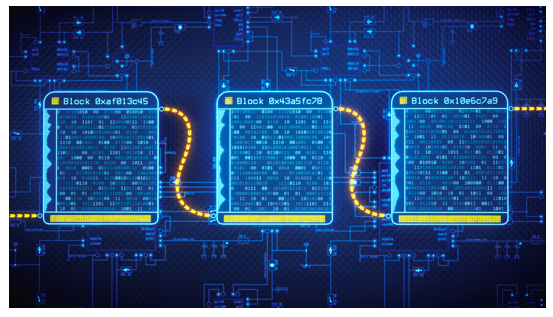
Blockchain operates on a distributed network of computers, known as nodes, where each node contains a copy of the entire blockchain. Transactions are grouped into blocks and linked together using cryptographic techniques, ensuring data integrity and security. This decentralized structure eliminates the need for intermediaries, reducing costs, and increasing trust in the system.
The 360° Impact of Blockchain
Decentralization and Trust
The decentralized nature of blockchain eliminates dependence on a single authority, distributing control throughout the network. This attribute makes it highly resistant to tampering and unauthorized changes. Consequently, blockchain instills a sense of trust and transparency in the digital landscape, essential for industries handling sensitive data and transactions.
Supply Chain Management
In supply chain management, blockchain facilitates end-to-end product traceability. Every stage of the supply chain can be recorded on the blockchain, from the origin of raw materials to the delivery of the final product. This level of transparency helps combat counterfeit products and ensures adherence to ethical and sustainable practices. The application of blockchain in product traceability, such as in the food industry, not only offers significant advantages but also provides greater security and confidence to consumers, enhancing efficiency. This use case demonstrates how the decentralized nature of blockchain can lead to high reliability and transparency in the food sector, protecting both consumers and operators.

Digital Identity Verification
Traditional identity verification systems are often susceptible to security breaches and identity theft. Blockchain offers a robust solution by providing a decentralized identity management system. Individuals have control over their data, granting access to specific details only when necessary. In this regard, Sam Altman, CEO of OpenAI (the company that owns ChatGPT), recently launched Worldcoin (WLD), a cryptocurrency that, through iris scanning identity verification, creates personal and secure identification codes. These codes are then stored on a decentralized blockchain and cannot be duplicated or counterfeited to create false identities or commit fraud. Their goal is to create a financial and digital identity network owned by all, which can increase economic opportunities, provide a reliable solution to distinguish humans from AI, enable global democratic processes, and ultimately pave the way for Universal Basic Income (UBI) funded by AI. You can delve into the topic in this Forbes article.
Smart Contracts
Smart contracts, also known as smart contracts, are self-executing protocols that automate and ensure the execution of agreements between two or more parties without the need for an intermediary. This technology has shown revolutionary applications in various industries, simplifying and speeding up complex processes.
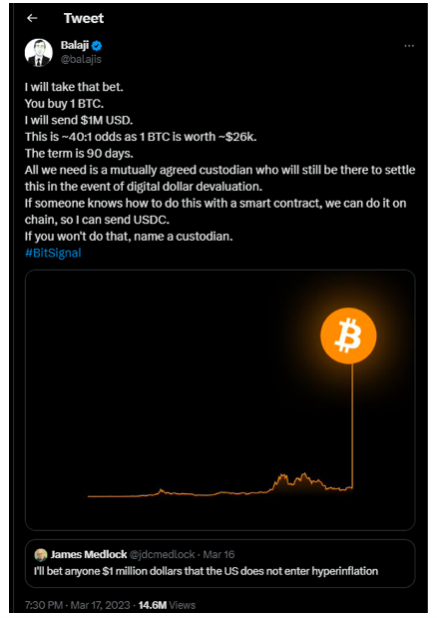
One of the most entertaining use cases was proposed by Balaji Srinivasan, former Chief Technology Officer of Coinbase, one of the leading cryptocurrency exchange platforms. Balaji placed a $2 million bet on the price of Bitcoin. The bet was proposed to be implemented through a smart contract with the following condition:
“BTC is worth > $1 million in 90 days.”
This type of bet, based on a smart contract, demonstrated how blockchain can be used to create agreements and financial commitments with a high level of security and transparency. Balaji’s bet serves as an example of how smart contracts can be used innovatively in the cryptocurrency and financial investment sector. Using them for this bet ensured well-defined conditions and automatic payment of funds at the specified expiration date, without the need for an intermediary to verify the outcome. Even though Balaji lost the bet, this example demonstrated the effectiveness and reliability of smart contracts in ensuring the transparent and secure execution of financial agreements (you can explore the topic here).
Other Examples and Possible Real-World Applications
Blockchain is proving its potential to transform the financial, healthcare, and education sectors, offering innovative and reliable solutions. In the financial services field, the elimination of intermediaries and the speed of international transactions are redefining how financial exchanges occur. This makes the system more efficient and cost-effective for users, promoting greater financial inclusion.
In healthcare, secure and transparent sharing of medical data could improve patient care and safety. Recording medical information on a blockchain ensures quick and secure access to the information needed for accurate care. This reduces medical errors and enhances overall healthcare quality, increasing patient trust in healthcare systems.
Furthermore, blockchain could offer valuable solutions in the education sector. By tracking diplomas, degrees, and electronic records on a blockchain, an immutable and transparent record of a student’s academic qualifications can be created. This makes the validation of academic documents more reliable, preventing counterfeiting and protecting the integrity of educational institutions.
The increasing adoption of blockchain in these sectors highlights the importance of embracing digital innovation and blockchain technology in the new national and global landscape. The decentralization, security, and transparency offered are revolutionizing how we operate in various industries, promising a more efficient and secure future for everyone. Collaboration across different sectors and the implementation of these technologies will contribute to creating a more advanced and reliable environment for society as a whole.

The Significance of Blockchain in the New National and Global Landscape
The global landscape is witnessing a shift toward digital transformation, with governments and organizations recognizing the transformative potential of blockchain technology. As efforts to create smart cities, implement e-governance, and promote innovation continue to grow, blockchain emerges as a key element in realizing these ambitions.
Amid cyber threats and data breaches, information security is a top priority for nations and organizations. The decentralized architecture of blockchain provides an intrinsic level of security, making it extremely difficult to compromise by malicious actors. Data immutability ensures that critical information is tamper-proof, safeguarding national interests and sensitive data.

In short, we are witnessing a major global change, and these technologies are redefining how we interact with technology. The decentralization, transparency, and security that blockchain offers are creating a new paradigm for data and transaction management. In the context of an ever-evolving national and global landscape, the adoption of blockchain will prove crucial for the progress and prosperity of nations and organizations.


 Market and Data
 _old_Become an author
 Wallet


