


Introduction
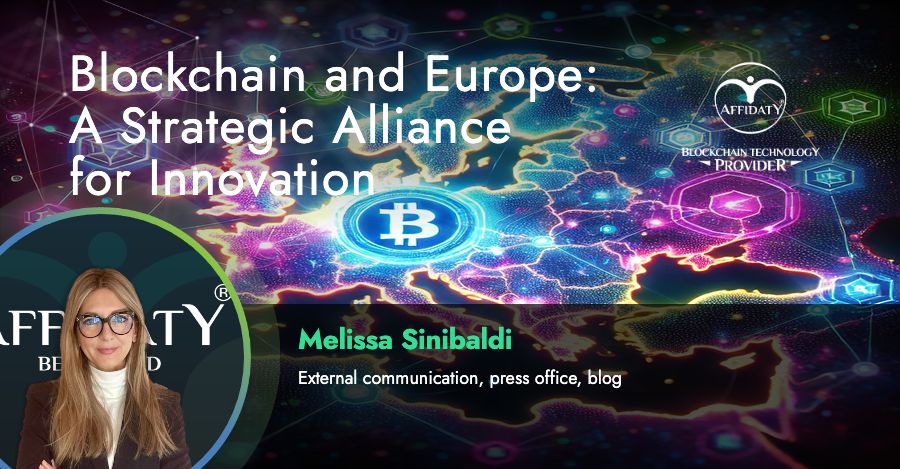
In recent years, blockchain technology has established itself as a cornerstone of global innovation, radically transforming key sectors such as finance, logistics, healthcare, and public administration. In this context, Europe stands out as a proactive leader with a vision that combines advanced regulation, strategic investments, and a strong commitment to sustainability. This strategy positions Europe not only as a technological benchmark but also as an example of how innovations can serve broader goals, such as ecological transition and inclusive growth.
The State of Blockchain in Europe
Europe has swiftly recognized the potential of blockchain, adopting concrete measures to encourage its adoption and development. The European Blockchain Partnership (EBP), involving 29 countries, including EU member states and associated nations like Norway and Liechtenstein, is an emblematic example. This project aims to create a European blockchain infrastructure, known as the European Blockchain Services Infrastructure (EBSI), enabling the development of cross-border applications such as digital identity, diploma certification, and goods traceability.
At the same time, programs like Horizon Europe and Digital Europe are supporting research and the adoption of innovative technologies, including blockchain, to address global challenges and reduce the digital divide within the Union. Horizon Europe focuses on projects utilizing blockchain to tackle climate emergencies and improve infrastructure resilience, while Digital Europe aims to enhance the advanced digital skills of European citizens and businesses, thereby strengthening the continent’s strategic autonomy.
Regulation and Tokenization
One of the most distinctive aspects of Europe’s approach to blockchain is its balanced regulation that promotes both innovation and protection. With the introduction of the MiCA regulation (Markets in Crypto-Assets), Europe has established a clear regulatory framework for digital assets, improving investor confidence and reducing the risks associated with cryptocurrencies. This regulation marks a fundamental milestone, especially in a market often characterized by uncertainty and volatility.
Asset tokenization is another central theme in the development of blockchain in Europe. The ability to digitally represent physical assets, such as real estate or artwork, through tokens is transforming traditional markets, making them more accessible and liquid. Countries like Germany and France have adopted specific regulations to support this evolution, consolidating Europe’s role as a leader in the transition to a digital economy.
Blockchain and Sustainability
The synergy between blockchain and sustainability is one of the most promising aspects of Europe’s future. Blockchain offers unique tools to promote transparency, efficiency, and traceability in supply chains, thereby contributing to the goals set by the United Nations’ 2030 Agenda.
As early as 2021, the UN recognized blockchain as a strategic technology to address environmental challenges, emphasizing its importance in improving natural resource management, reducing carbon emissions, and monitoring supply chains. In Europe, these applications are particularly relevant in logistics, where blockchain is used to optimize transportation flows, reduce waste, and ensure the sustainability of raw materials.
By 2025, blockchain platforms like Energy Web and Climate Ledger could become standardized tools for monitoring emissions, verifying companies’ environmental impacts, and ensuring the achievement of the EU’s climate goals. This will boost trust in carbon credit markets, eliminating the risk of fraud.
Another crucial aspect is energy management. Through blockchain-based smart contracts, it is possible to monitor energy consumption in real time, incentivize the use of renewable sources, and improve the overall efficiency of the system. Europe, thanks to its leadership in developing standards for carbon emission monitoring, is setting an example of how technology and sustainability can go hand in hand.
Blockchain also supports the transition to a circular economy through applications that track the entire product lifecycle, from design to recycling. By 2025, increased partnerships between innovative startups and large companies are expected to create blockchain-based digital ecosystems that reward consumers and businesses for sustainable behaviors.
Challenges and Opportunities
Despite progress, blockchain adoption in Europe still faces significant challenges. The lack of interoperability between platforms is a technical barrier limiting the full potential of the technology. Similarly, privacy protection and data security, especially concerning the GDPR (General Data Protection Regulation), are central issues requiring innovative solutions. However, these difficulties can be seen as opportunities to further consolidate Europe’s leadership by pushing for the adoption of common standards and fostering public-private collaboration.
Conclusions
Blockchain represents one of the most promising technologies to guide Europe into a new era of technological innovation and sustainability. Europe’s approach, which combines a focus on sustainability, promotion of investor confidence, and the creation of a clear regulatory framework, is transforming how emerging technologies are integrated into economic and social sectors.
Looking ahead, blockchain’s role will further expand, especially in supporting ecological transition and contributing to the 2030 Agenda’s climate goals. However, to fully harness the potential of this technology, Europe will need to address significant challenges. Platform interoperability, privacy protection, and data security are critical issues requiring innovative and collaborative approaches. Additionally, continued investment in education and digital skills development will be essential to ensure that citizens and businesses can benefit from blockchain opportunities.
In conclusion, Europe is not just keeping pace with technological progress but is positioning itself as a global leader shaping a future where innovation and sustainability are interconnected. The coming years will be decisive in turning this vision into reality, consolidating the continent’s role as a protagonist in a new digital revolution. Blockchain is not just a technology but a strategic lever to build a fairer, greener, and more prosperous future for all.
Sources:
- European Blockchain Partnership: European Commission.
- Horizon Europe e Digital Europe: European Union.
- Agenda 2030: United Nations.
- Energy Web: Energy Web Foundation.



 Market and Data
 _old_Become an author
 Wallet


