


Introduction
The global blockchain market is estimated at $12.3 billion in 2023 and is expected to grow at a compound annual growth rate of 57% in the coming years. 1
Since 2016, 1,300 projects have been registered in the overall blockchain sector. In Italy, the market is estimated at 38 million euros, with projects primarily involving finance, insurance, public administration, and agrifood sectors 2.
The technology behind blockchain will be driven by the growing acceptance and usability of cryptocurrencies globally, both in the financial sector and in retail transactions. Economic and financial exchanges have always been at the forefront of significant changes in human activity, and blockchain is well-positioned to be a key player, riding the wave of financial change already underway.
Market growth will also be supported by “Blockchain as a Service” (BaaS) offerings, which are increasingly developed for SMEs, providing services and applications based on smart contracts ready for internal business use.
Source: www.shiksha.com
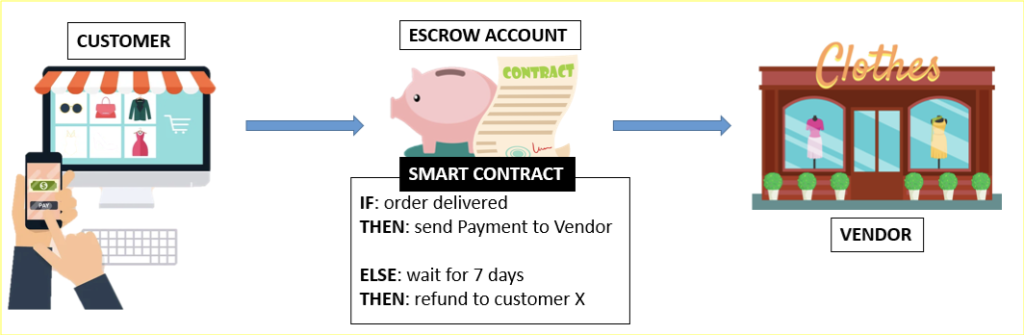
The ability to move valuable items, cryptocurrencies recognized globally, bypass intermediaries in sectors slowed by costly verification and control steps with timing impacts on businesses and end customers, and ensure that any data, object, or product meets the required characteristics and agreements between parties in any process, always and anywhere in the world, at significantly lower costs than today, represents human evolution toward a more efficient, independent, secure, fast, cost-effective, and less environmentally impactful system.
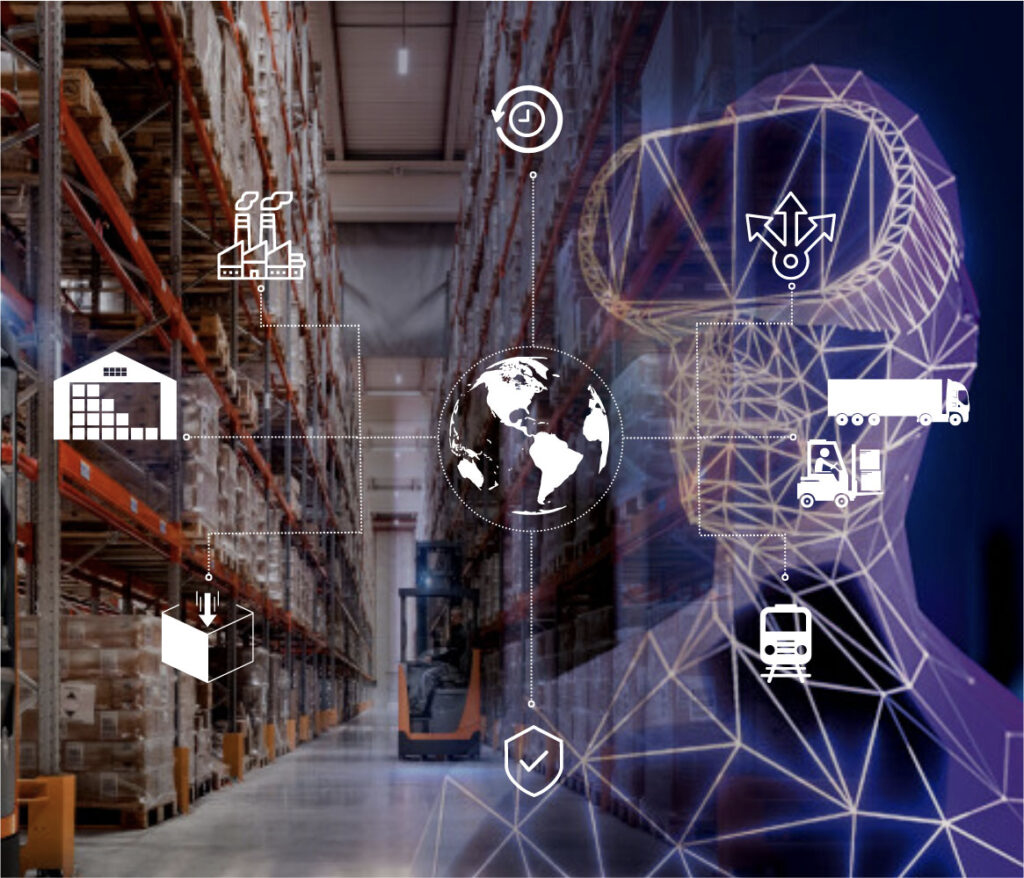
This technology can revolutionize the supply chain, dropshipping, and logistics triangulation. Blockchain improves operational and procurement efficiency, significantly reduces costs, prevents fraud, allows accurate monitoring of online product sales, and ensures regulatory compliance.
Source: www.tdlogistic.it/logistica
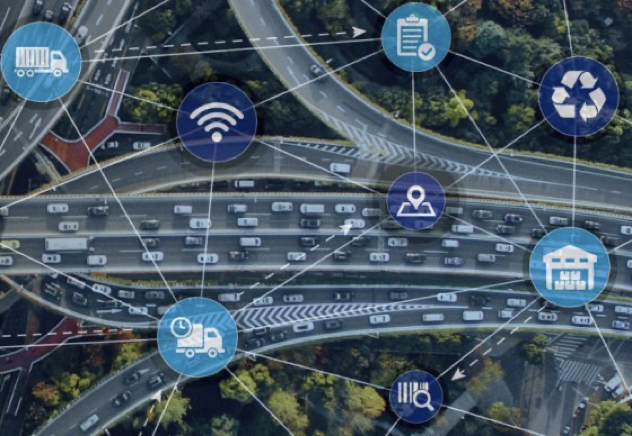
The main impacts on the supply chain, dropshipping, and logistics triangulation can be summarized as follows:
- Inventory and Logistics Management
Monitoring available stock at suppliers or one’s warehouse, optimizing internal spaces and goods arrangement, tracking shipments, product movements, and improving the entire supply chain. - Authenticity and Security
Certifying product authenticity, combating counterfeiting, ensuring various safety aspects related to food or product components, and securing the origin, provenance, and production path. - Traceability and Transparency
Complete, immutable, and transparent recording of goods movements, allowing real-time monitoring of each step. Internal warehouse processes become more efficient and faster thanks to traceability of quantities, locations, and goods status. These actions, certified by various blockchain blocks and nodes, enhance customer services and experience. - Financing and Transactions
Eliminating the need for intermediaries and reducing transaction times. This is particularly beneficial for SMEs that may struggle to access traditional financing. Additionally, the new financial system related to the “Decentralized Finances (DeFi)” concept significantly reduces financial transaction costs and provides an alternative for financing and loans. - Reputation Management
Certifying customer reviews and the quality of services offered by suppliers, shippers, and workers within the logistics triangulation, dropshipping, and supply chain sectors. This creates a new controlled and unalterable system for service evaluations, facilitating customer purchasing decisions and encouraging suppliers to improve various business aspects. Moreover, “blockchain consensus” can develop a specific evaluation system for companies’ internal areas and functions. - Data Security and Fraud Prevention
Protecting sensitive data, inventory information, and transactions from external and internal threats. Information is encrypted and sent to the decentralized network where alterations are extremely difficult, and in the specific case of the blockchain (public and shared ledger) of Bitcoin, almost impossible without 51% authorization from the nodes. This system ensures extremely high levels of security. - Process Automation
Controlling and automating the warehouse and entire production process up to the delivery of the requested service or product. This new production model reduces human intervention, ensures greater efficiency, minimizes material errors, and prevents possible fraud.
Source: www.logistica.cdecomunicacion.es
Conclusion
In the coming years, the supply chain, dropshipping, and logistics triangulation sectors will undergo significant changes and integrations. With the push from blockchain, they can create innovative solutions that will improve the daily lives of millions of people and the performance of companies adopting this technology globally.
The main and imminent challenges will be internationally recognized regulatory and legal adjustments, training personnel directly involved in actions affected by this technology, integrating with currently operational company IT systems, and scaling new solutions and projects. However, the entire sector has enormous real and concrete application potential.
Sources:
2 Osservatorio Blockchain & Web3 – School of Management del Politecnico di Milano


 Market and Data
 _old_Become an author
 Wallet


